

Erasing the Past: Combining BBL HEROic and Halo for Severe Sun Damage
Posted by
Mosaic Luxury Medical Spa
Date
Stacking BBL and Halo in the same visit pairs BBL’s surface pigment and vessel correction with Halo’s deeper fractional resurfacing, addressing both color and texture in a single session. The combined approach generally means one longer recovery window instead of two separate ones, with most visible healing complete within seven days.
Patients with decades of cumulative sun exposure - deep brown spots, broken capillaries, uneven texture, and enlarged pores all at once - often ask whether they need to choose between BBL and Halo.
For some patients, a provider may recommend combining the two in a single, longer appointment rather than treating pigment and texture separately. This isn’t the right fit for everyone, and whether it makes sense for your skin should be confirmed during a consultation.
Understanding how the two technologies work together, who tends to be a good candidate, and what recovery actually looks like day by day can help set realistic expectations before booking.
Why Providers Stack the Two Technologies
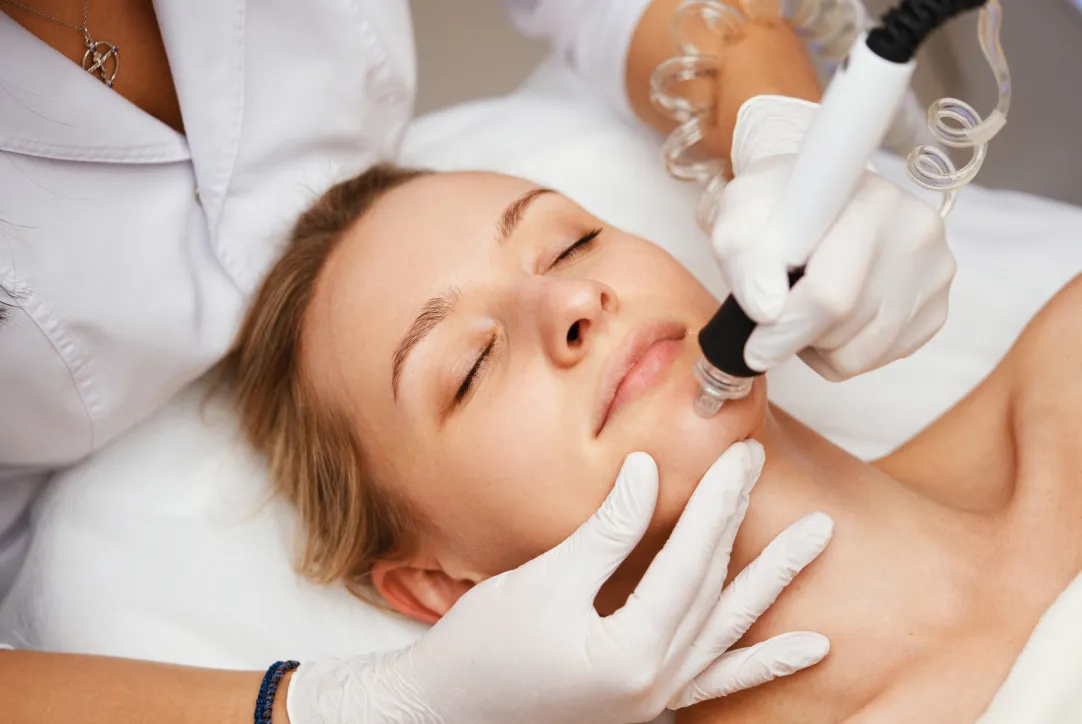
BBL is typically performed first to clear surface pigment and calm vessels, with Halo then performed in the same session for deeper fractional resurfacing.
Because both devices run on the same Sciton JOULE platform, providers can move between them in one session rather than scheduling two separate appointments. This also means only one round of numbing and one recovery window, rather than staggering treatments weeks apart.
Whether a combined session or a staged approach is the better fit for significant, layered damage is something your provider can help determine at a consultation, based on your skin’s condition and how much downtime you can accommodate.
Is This Combination Right for You?
Providers generally consider combined BBL and Halo sessions for patients who already have some experience with cosmetic lasers, have layered damage affecting both pigment and texture, and can plan for roughly a week of visible healing without conflicting with work or social events.
Patients who are newer to laser treatments, have very sensitive or reactive skin, or have an event coming up in the next week or two are often better candidates for a staged approach - starting with BBL alone and adding Halo at a later visit once tolerance and healing response are better understood.
A consultation typically includes a review of skin type, sun exposure history, current medications, and any prior reactions to laser or light treatments, all of which help a provider decide whether combining the two technologies makes sense for a particular patient.
The Day-by-Day Recovery Timeline
MENDs (Microscopic Epidermal Necrotic Debris) are a normal, expected part of the Halo healing process. Patients are asked to avoid picking or exfoliating during this phase and keep skin moisturized and out of direct sun. Recovery generally follows this pattern:
Day
What to Expect
Day 1 (treatment day)
Warmth and redness, similar to a sunburn; pigmented spots appear darker
Days 2-3
Skin takes on a bronze, "sandy" texture as MENDs rise to the surface
Days 3-5
Light flaking and shedding of MENDs; texture starts to feel smoother
Days 5-7
Redness fades to a healthy pink; skin looks brighter and more even
Most patients are largely presentable, with only mild residual pinkness, by day seven.
Aftercare for a Combined Session
Because a combined visit involves a longer recovery window than BBL alone, aftercare matters more than it would after a light-only treatment. Providers typically recommend a gentle, fragrance-free cleanser and moisturizer, strict avoidance of retinoids and exfoliating acids until flaking has fully resolved, and daily mineral sunscreen once skin can tolerate it.
Patients are also asked to let MENDs shed naturally rather than picking or scrubbing them off, since disrupting that process can increase the risk of irritation, uneven healing, or scarring. Any unexpected symptoms, such as spreading redness, blistering, or signs of infection, should be reported to the treating provider right away rather than managed at home.
Ready for a comprehensive resurfacing consultation? Schedule an appointment at any Mosaic location in Michigan or Naples.
Frequently asked questions
MENDs are microscopic epidermal necrotic debris - the fractionally treated tissue working its way to the surface. It's an expected, normal part of healing, not a complication, and typically sheds on its own within days.
Patients new to laser treatments, or anyone who can't accommodate roughly a week of visible healing, are usually better served starting with BBL alone or a lighter Halo setting first.
Combining the two doesn't significantly extend recovery beyond a standard Halo timeline, since BBL itself carries very little downtime on its own.
Pigment improvement and initial texture changes are often visible as MENDs shed over the first week to ten days, but Halo's collagen-building effects continue to develop gradually, with texture and tone often continuing to improve over the following one to three months.